
Indoor grow automationwithout a subscription.
GrowMax monitors moisture per plant and waters on schedule. Each board handles up to eight plants and runs MicroPython on a compatible microcontroller selected for your build. Check the verified options in the builder below. Source is onGitHub. Built for indoor growers who'd rather understand their setup than rent it.
What shows up in the box.
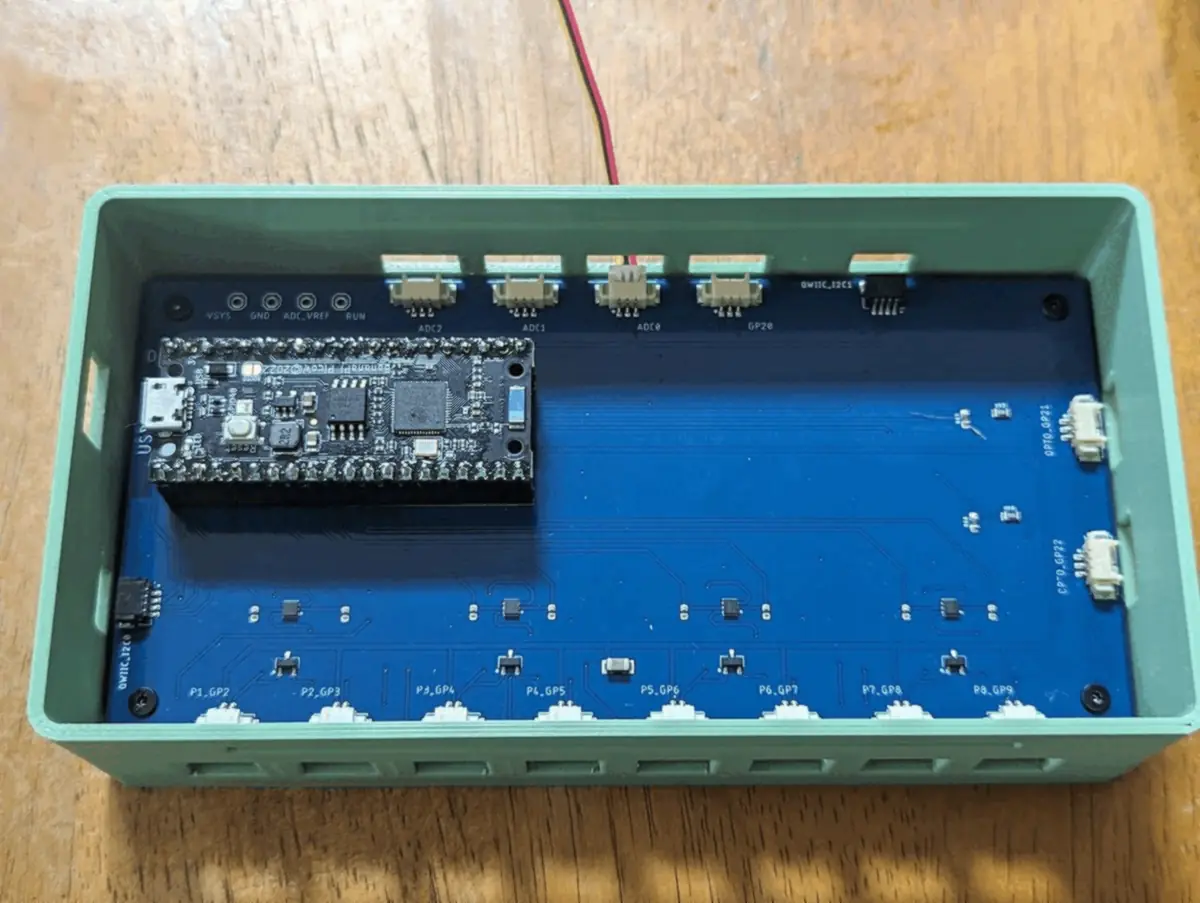
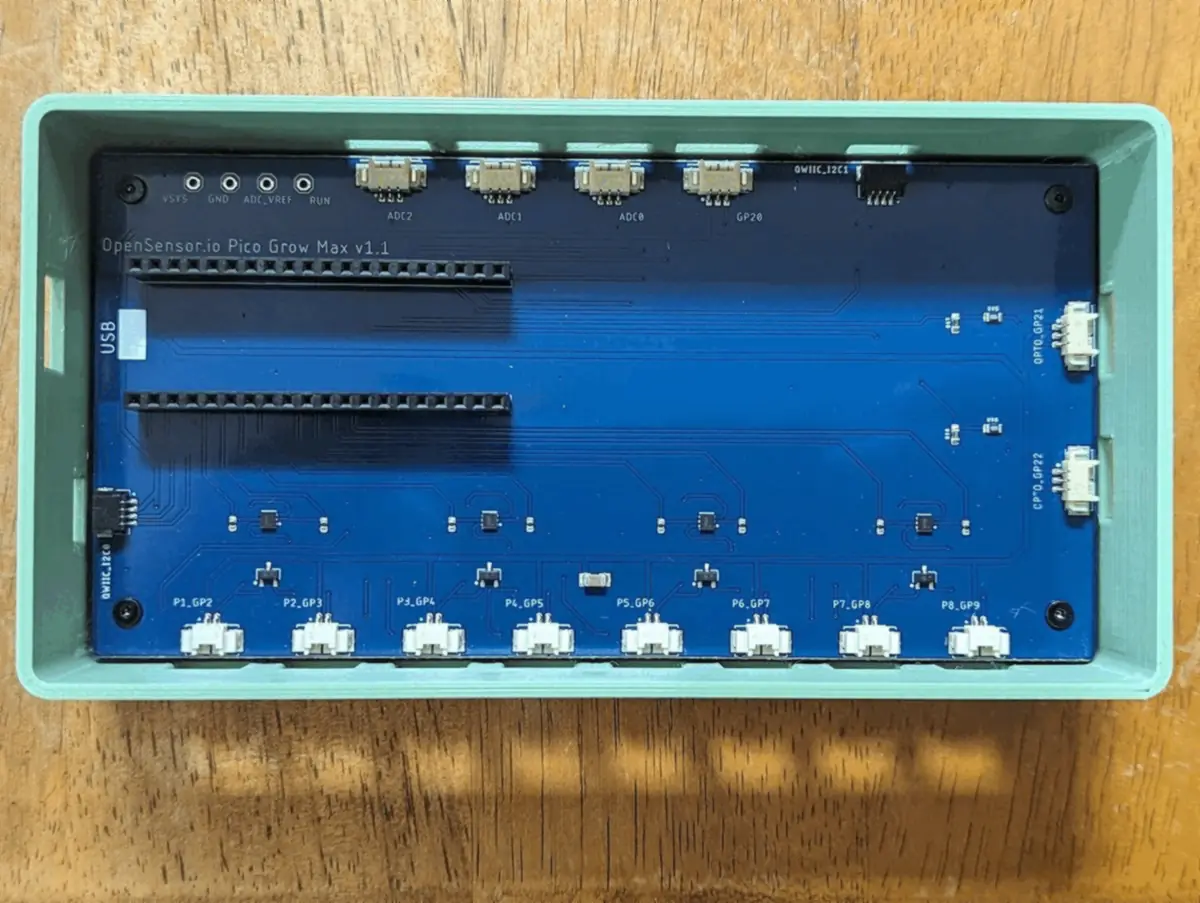
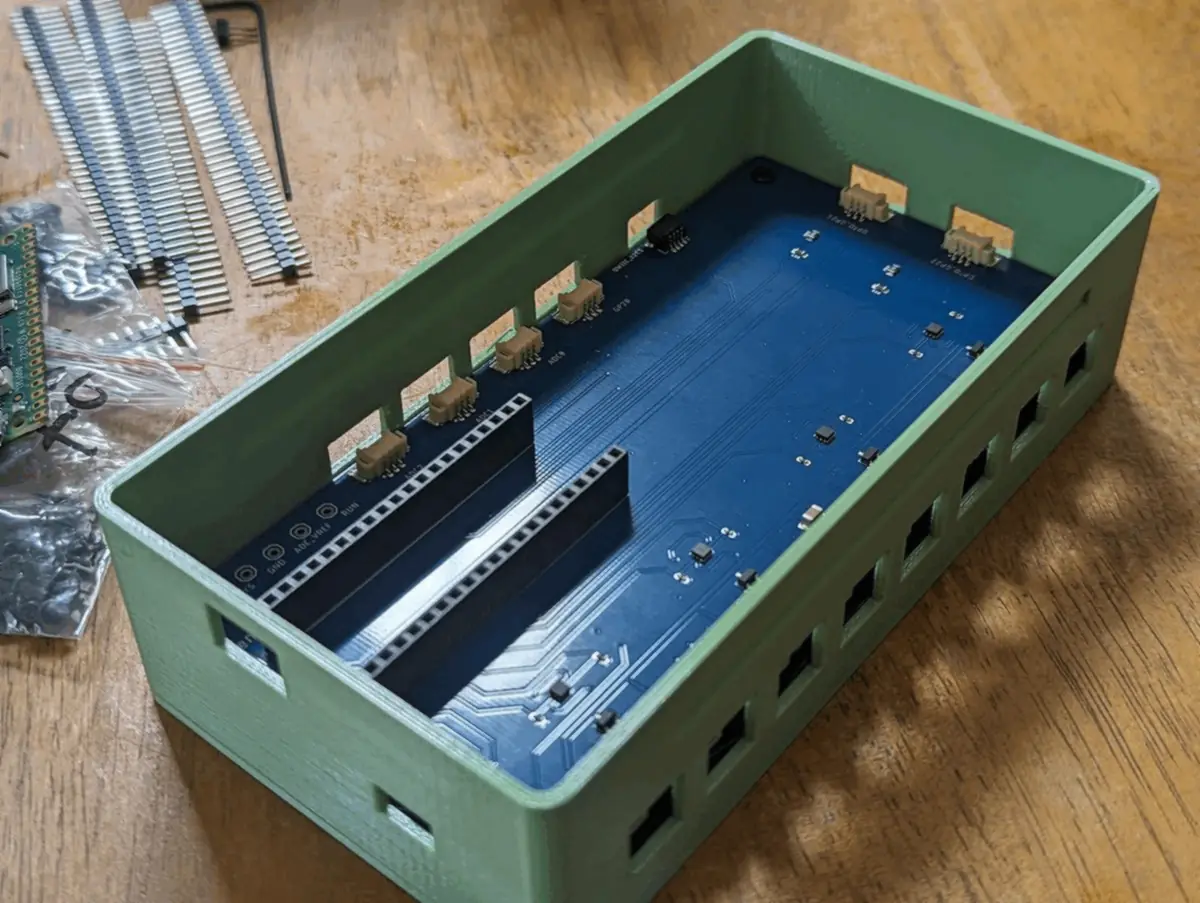
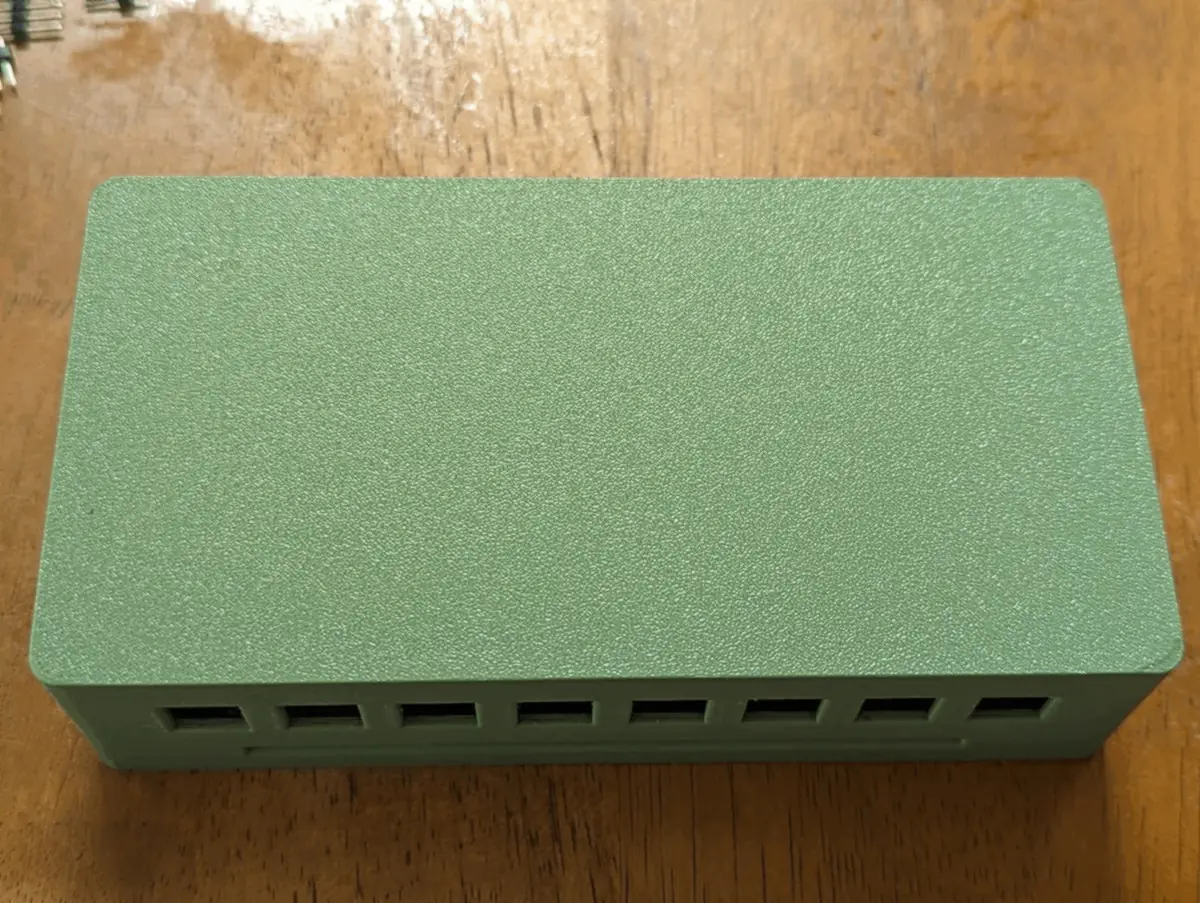
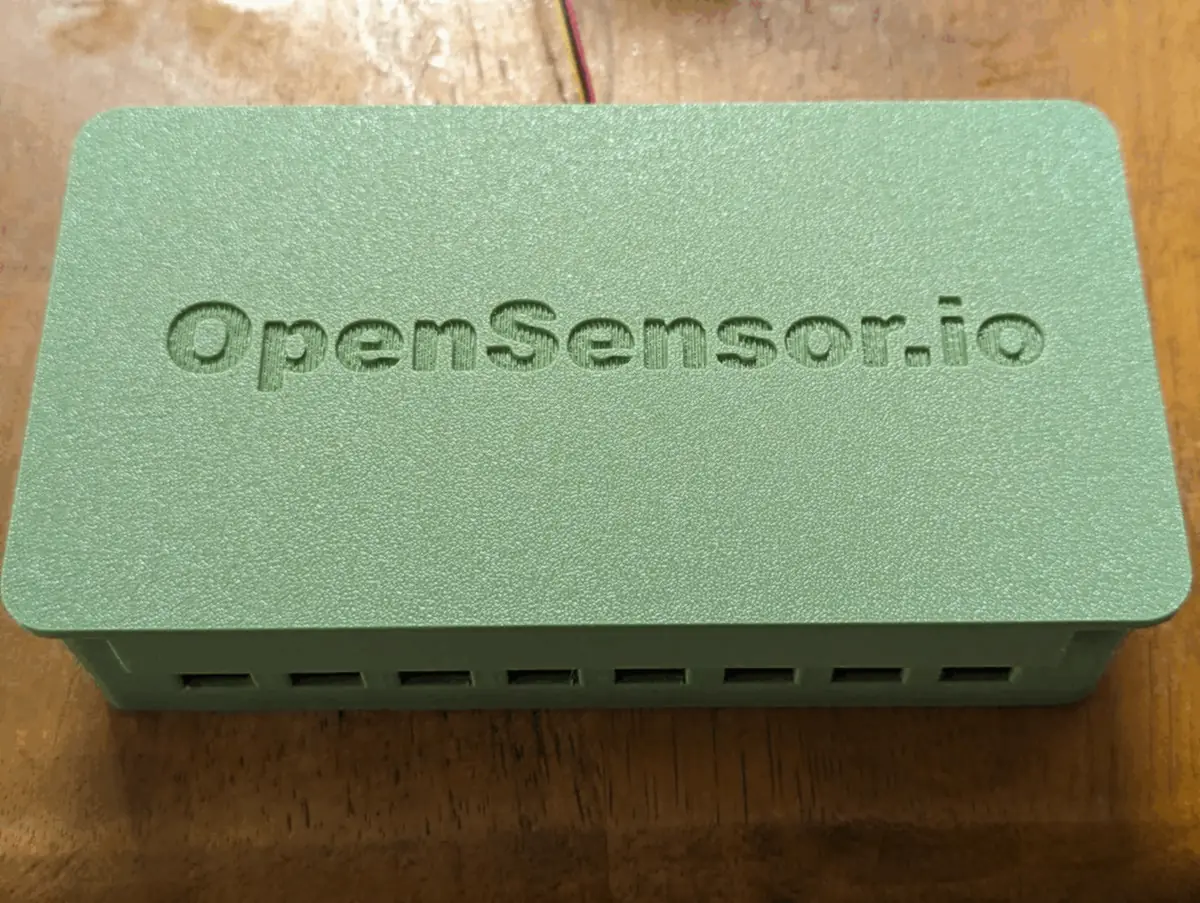
Built so you can change it.
Per-plant moisture sensing
Each board reads up to eight individual capacitive soil sensors. You get a moisture trace per plant, not an averaged-over-the-pot guess.
Scheduled or threshold watering
Run on a fixed schedule or set a moisture threshold per plant. Pumps drive a manifold so each plant gets its own line.
Open MicroPython firmware
Source is on GitHub. Tweak the schedule or sensors. Check the builder for verified microcontroller options before ordering.
No subscription, no cloud lock-in
The board talks to your local network. Your watering schedule does not depend on someone else's SaaS staying online.
I²C expansion for higher-power loads
The board itself is USB-powered (5V), but external relay boards over I²C let you switch grow lights, fans, heaters, or anything else that needs more current than the board can drive directly.
What you get when you don't rent your roots.
Polished commercial monitoring devices have their place. GrowMax is a different category — kit-based, programmable, and open-source. Here's how the two stacks line up.
- C-01
Customization
- GrowMax
- Fully open-source, programmable kits
- Other grow systems
- Closed firmware, vendor SDKs at best
- C-02
In-app graphs
- GrowMax
- Chart.js dashboards, self-host or use ours
- Other grow systems
- Native mobile or web app
- C-03
Sensor coverage
- GrowMax
- Moisture, CO₂, RH, Temp, VPD, pH, Light, Pump
- Other grow systems
- Varies by vendor; commonly VPD, EC, Moisture
- C-04
API access
- GrowMax
- REST API (FastAPI + MongoDB) on our cloud, plus a public Saleor-backed catalog
- Other grow systems
- Limited or partner-tier only
- C-05
Home Assistant
- GrowMax
- In progress (MQTT + REST bridge)
- Other grow systems
- Increasingly common via community work, varies by vendor
- C-06
DIY flexibility
- GrowMax
- Solder, mod, and expand with standard components
- Other grow systems
- Proprietary sensors, vendor-blessed accessories
- C-07
Software stack
- GrowMax
- MicroPython firmware + Grafana / Chart.js dashboards
- Other grow systems
- Native app only
- C-08
Data ownership
- GrowMax
- Use our cloud or self-host the entire stack
- Other grow systems
- Vendor-hosted; you rent access to your own data
- C-09
Pricing
- GrowMax
- Boards start under $50
- Other grow systems
- Monitoring devices typically $129+
| ID | Feature | GrowMax | Other grow systems |
|---|---|---|---|
| C-01 | Customization | Fully open-source, programmable kits | Closed firmware, vendor SDKs at best |
| C-02 | In-app graphs | Chart.js dashboards, self-host or use ours | Native mobile or web app |
| C-03 | Sensor coverage | Moisture, CO₂, RH, Temp, VPD, pH, Light, Pump | Varies by vendor; commonly VPD, EC, Moisture |
| C-04 | API access | REST API (FastAPI + MongoDB) on our cloud, plus a public Saleor-backed catalog | Limited or partner-tier only |
| C-05 | Home Assistant | In progress (MQTT + REST bridge) | Increasingly common via community work, varies by vendor |
| C-06 | DIY flexibility | Solder, mod, and expand with standard components | Proprietary sensors, vendor-blessed accessories |
| C-07 | Software stack | MicroPython firmware + Grafana / Chart.js dashboards | Native app only |
| C-08 | Data ownership | Use our cloud or self-host the entire stack | Vendor-hosted; you rent access to your own data |
| C-09 | Pricing | Boards start under $50 | Monitoring devices typically $129+ |
Build it your way — from a single shelf to a commercial tent. Own the data, own the source, swap out the sensors when a cheaper one ships.
Real Results from Real Testing
See the GrowMax system in action with documented growth results
See GrowMax in Action
Watch real plant growth over 39 days with automated GrowMax care

GrowMax test board in action - growth from October 11th to November 19th
Fully automated watering based on individual plant moisture levels
Public Sensor Network
Explore real environmental monitoring data from OpenSensor community members who choose to share their sensor readings publicly.
Privacy First: Only members who explicitly mark their devices as public share their data.
View live environmental data • Select from available public devices
Why Choose GrowMax?
Built by growers, for growers - with a focus on reliability and ease of use
Open Source
Fully open source MicroPython software
Reliable
Proven hardware design with quality components
Expandable
I2C ports for sensors, displays, and more
Support
Direct support from the creator
Frequently Asked Questions
Everything you need to know about GrowMax boards and plant automation systems
Shipping
Shipping options and the final total are shown at checkout. The builder estimate covers the selected items before shipping and tax.
GrowMax Board
The GrowMax board is a custom-developed plant automation board, powered by a Raspberry Pi Pico form factor microcontroller unit (MCU).
Yes, the boards are double-sided and assembled by JLC.
Simply plug a Pico compatible device with headers into the GrowMax board to provide the CPU and software instructions. Install the GrowMax package from PyPI to get started.
Microcontroller Support
The Pico is an affordable, versatile microcontroller board with a wireless variant for IoT devices. Other MCU variants that follow the Pico form factor and pin-outs are generally compatible with GrowMax.
Connect the board to your computer's USB port and run the program from the Thonny IDE to see program outputs. More information is available on the GrowMax GitHub page.
Data Displays
Certainly! You can use one of the two available Qwiic connect I2C channels with I2C displays. GrowMax version 1.1.5 supports SSD1327 and SH1107 chipsets for displays.
Moisture Sensors
The GrowMax board features 8 moisture sensor ports designed for capacitive moisture sensors, which are measured by a single pin reading pulses per second. Note that these differ from ADC and I2C moisture sensors.
We recommend Pimoroni Grow moisture sensors as the best on the market. They are directly compatible with the ports on the GrowMax board.
Yes, the digital chips on moisture sensors can corrode and provide inaccurate readings over time due to dirt and moisture. Avoid directly watering them and consider applying a conformal coating to protect the sensor chips from the environment.
Watering parts
Current builds use Primerus 1/4-inch pot-dripper dripline cut from a roll. The builder adds the length matched to your plant count, along with stakes and T-adapters where the setup calls for them.
Yes. Open Fine-tune parts and extras in the builder to add verified parts. Dripline is sold by the foot; stakes and T-adapters are separate items.
A setup that fits your plants.
Start with your plant count, then choose the parts you need. We’ll show your estimated item total before checkout. Questions during assembly are answered by a real engineer.